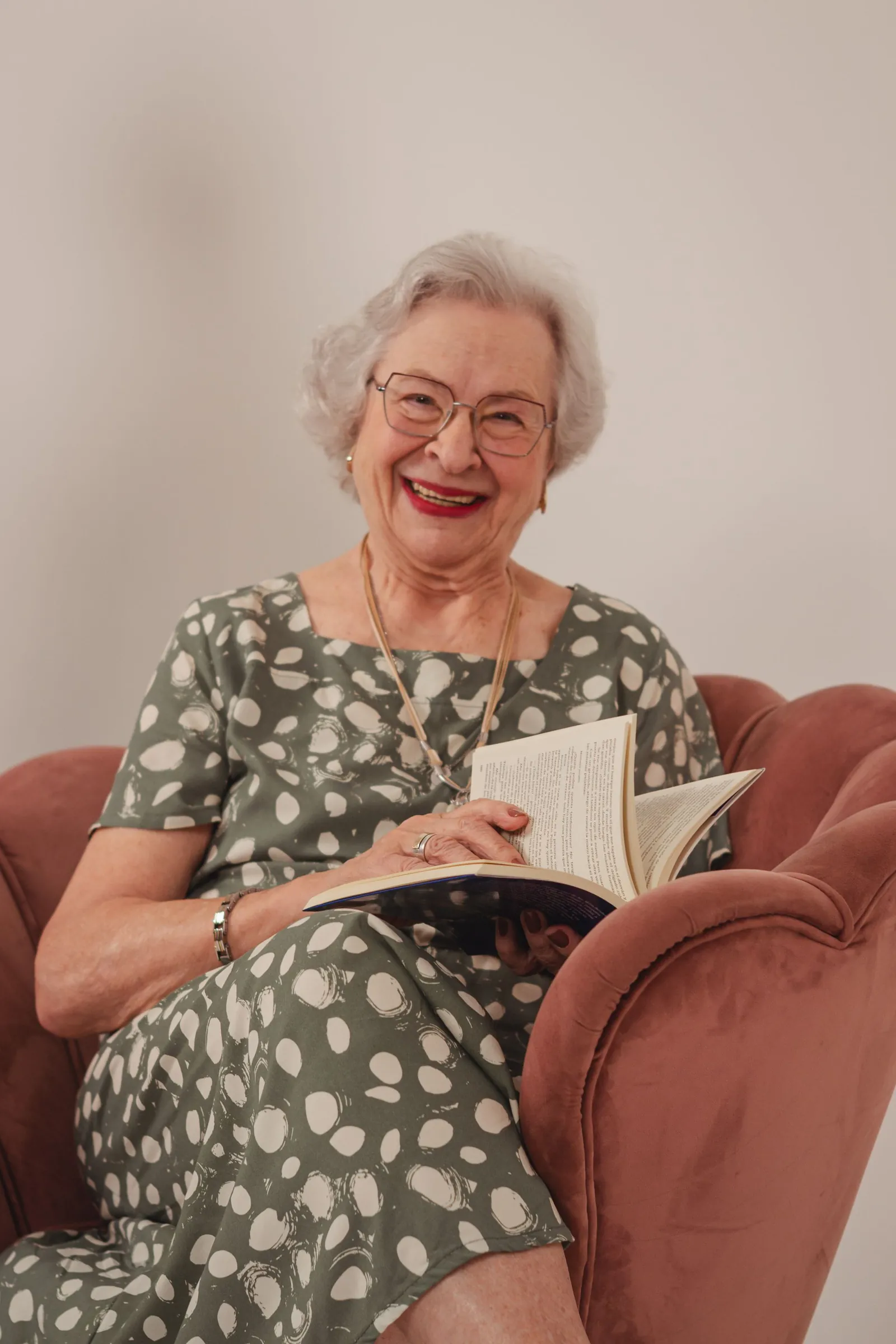
Many of the lovely people I look after in care homes are living with dementia. Every one of them is different, with their own history, likes and dislikes, and their own way of experiencing the world. There’s no single “right” way to do someone’s hair, but there are some gentle habits that I think make a real difference to how comfortable a visit feels.
I’m a hairdresser, not a nurse or a doctor, so this isn’t medical advice. It’s practical, kind guidance from someone who spends a lot of time with scissors and rollers in care homes. Families and carers know their loved ones best, and the best visits always happen when we work together.
Why hair can feel like a big deal
Think about everything that happens during a hair appointment. Someone stands behind you. There’s running water, the sound of scissors near your ears, perhaps a hairdryer. You’re asked to tip your head back or sit still. For most of us that’s relaxing. For someone who may find new sounds, sensations or faces confusing, it can feel like a lot.
That’s why I go slowly, explain everything, and try to keep the whole experience calm, friendly and familiar.
My gentle approach
These are the things I try to do at every visit. None of them are complicated, but together they help.
- Say hello properly. I come round to the front, get down to eye level if I can, smile and introduce myself, even if we’ve met many times before.
- Explain each step. “I’m just going to pop this towel round your shoulders.” “Now a little bit of warm water.” Short, simple sentences, one thing at a time.
- Show before doing. Sometimes showing the comb or letting someone feel the water on their hand first helps more than words.
- Keep it short. A shorter session that feels pleasant is far better than a long one that becomes tiring. If a wash and set is too much today, a gentle trim and comb through might be just right.
- Never force. If someone says no, or seems unhappy, I stop. We can try again later, or another day. Their comfort comes first, every time.
- Finish warmly. A look in the mirror, a compliment, and a thank you. Ending on a happy note matters.
Familiar routines help
Routine is a big friend here. When I can, I like to visit on the same day, do things in the same order and use the same friendly phrases. Many people find the familiar pattern reassuring, even if they don’t remember me by name.
Familiar styles help too. If someone has always worn a neat set, or kept their hair short and brushed back, I’ll usually keep things that way. Big changes can be unsettling, so I tend to stick with what the person has always known unless they clearly want something different.
Families can help enormously here. Tell me (or the care staff) how your relative has always liked their hair. A photo from a few years ago is gold dust.
Setting up a calm space
Where the hair is done can be just as important as how. In a care home, I’ll work with staff to find a quiet spot where possible. A few things that help:
- A quieter room, away from the telly and busy corridors
- Good light, but not glaring
- A comfortable chair, or doing hair in the person’s own wheelchair if moving is unsettling
- Towels and capes that feel soft and warm
- A familiar carer nearby, if that helps the person feel safe
Some people are happier having their hair done in their own room, surrounded by their own things. If the home is happy with that, I’m happy to fit in.
Washing: take extra care
Hair washing is often the part people find hardest. Tipping the head back into a basin can feel uncomfortable or even frightening. There are kinder ways to do it:
- Washing hair forwards or with a jug and a towel rather than leaning back
- Checking the water temperature together first
- Keeping water away from the face and eyes with a folded flannel
- Skipping the wash entirely on some days and using a little water spray and a comb instead
There’s no rule that says hair must be washed at every visit. A calm comb through and tidy-up can be just as lovely.
Reading the signs
People can’t always tell us in words how they’re feeling, so I watch for little signs: tensing shoulders, pulling away, looking worried, fidgeting with the cape. If I see those, I pause, speak softly, and check in. Sometimes a moment’s break, a sip of tea or a chat about something else is all that’s needed. Sometimes it’s a sign we’ve done enough for today, and that’s fine.
Patience is the most useful thing in my kit. More useful than any pair of scissors.
Working with carers
Care staff are brilliant at knowing how each resident is on a given day. Before I start, I’ll often ask a quick question or two: “How’s she been this morning?” “Is now a good time?” Staff can tell me if someone is tired, unsettled or would prefer to wait, and I can adjust my list around that.
If a familiar carer can sit with someone during the first few visits, or pop in to say hello, that can really help a person settle with a new face.
Tips for families
If your relative is in a care home and you’d like them to have their hair done, here are a few things you can do:
- Share their hair history: their usual style, how often they had it done, any products they loved
- Mention anything they dislike, such as water on the face, hairdryers or having their ears touched
- Let staff know if they wore a hairnet, rollers at night or always had a particular parting
- Think about timing; some people are brighter in the morning, others after lunch
You’ll find more ideas in my guide to looking after a relative’s hair between hairdresser visits, and on my page for families.
Useful places for more support
For wider information and support about dementia itself, Alzheimer’s Society has lots of helpful guides for families and carers at alzheimers.org.uk. They’re well worth a look if you’re supporting someone.
My dementia-friendly service
My dementia-friendly hairdressing is built on the things in this guide: patience, gentle explanations, calm surroundings and never rushing. I’m fully insured and DBS checked, and I visit care homes in Clevedon, Weston-super-Mare, Portishead, Burnham-on-Sea, Cheddar and the villages in between.
If you think your relative or residents would enjoy a gentle, unhurried visit, I’d be glad to help. Head over to book a visit and let’s have a chat.
Questions people ask
What if my relative refuses to have their hair done?
That's absolutely fine. I never force anyone. I'll stop, try again a little later or come back another day, and work with the care staff to find a time that suits them better.
Does my relative's hair need washing at every appointment?
No. If washing is stressful, we can do a gentle comb through, a light spray of water and a tidy trim instead. Comfort comes first.
Can a carer stay with my relative during the appointment?
Yes, and it often helps. A familiar face nearby can make the visit feel calmer, especially for the first few times.
How can I tell the hairdresser how my relative likes their hair?
Let the care home know, or get in touch with me directly. A recent photo or a description of their usual style and any dislikes is really helpful.

Maria is the caring, dementia-friendly hairdresser behind Hair by Maria, visiting care homes across Weston-super-Mare, North Somerset and Sedgemoor. Fully insured and DBS checked.
More about Maria