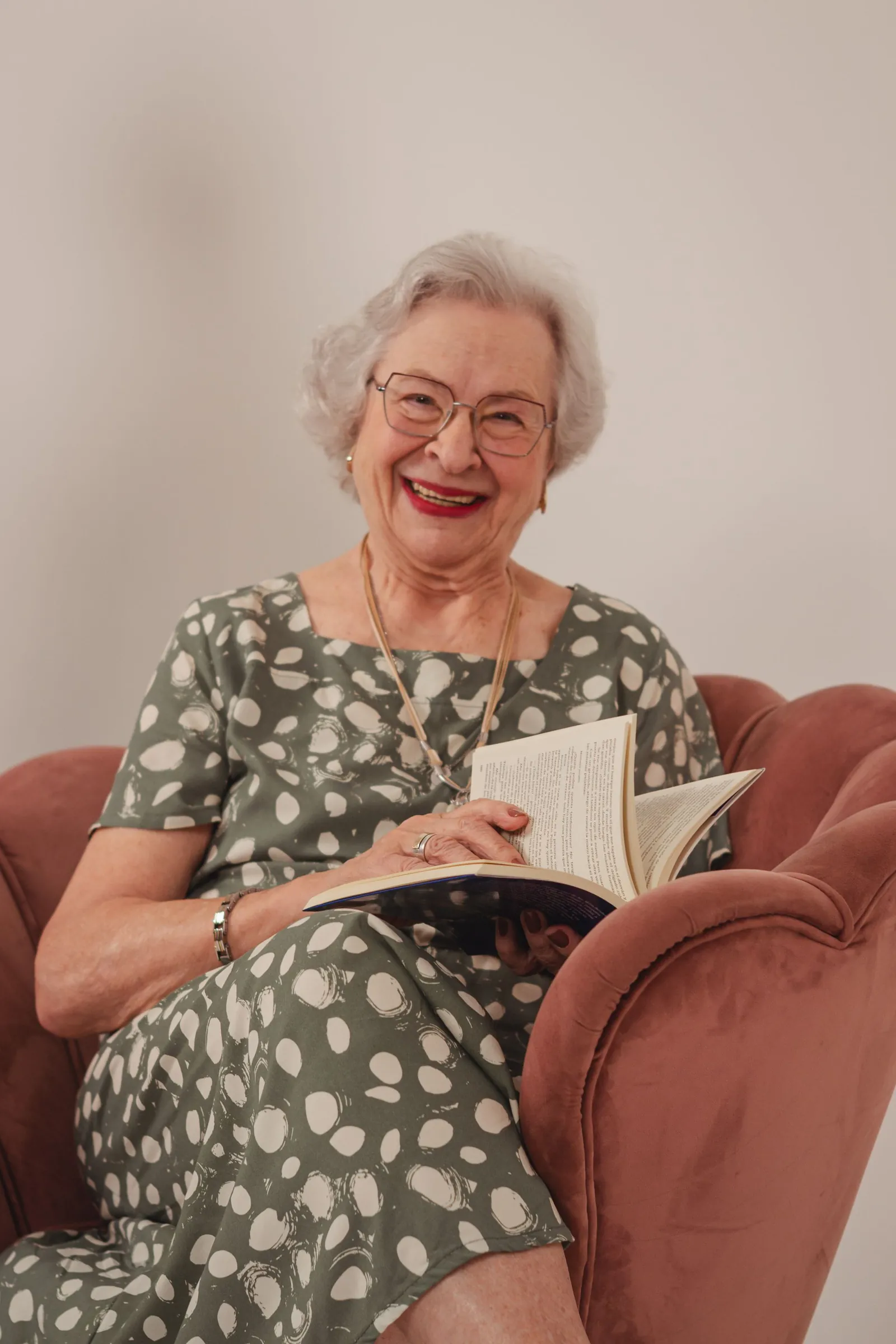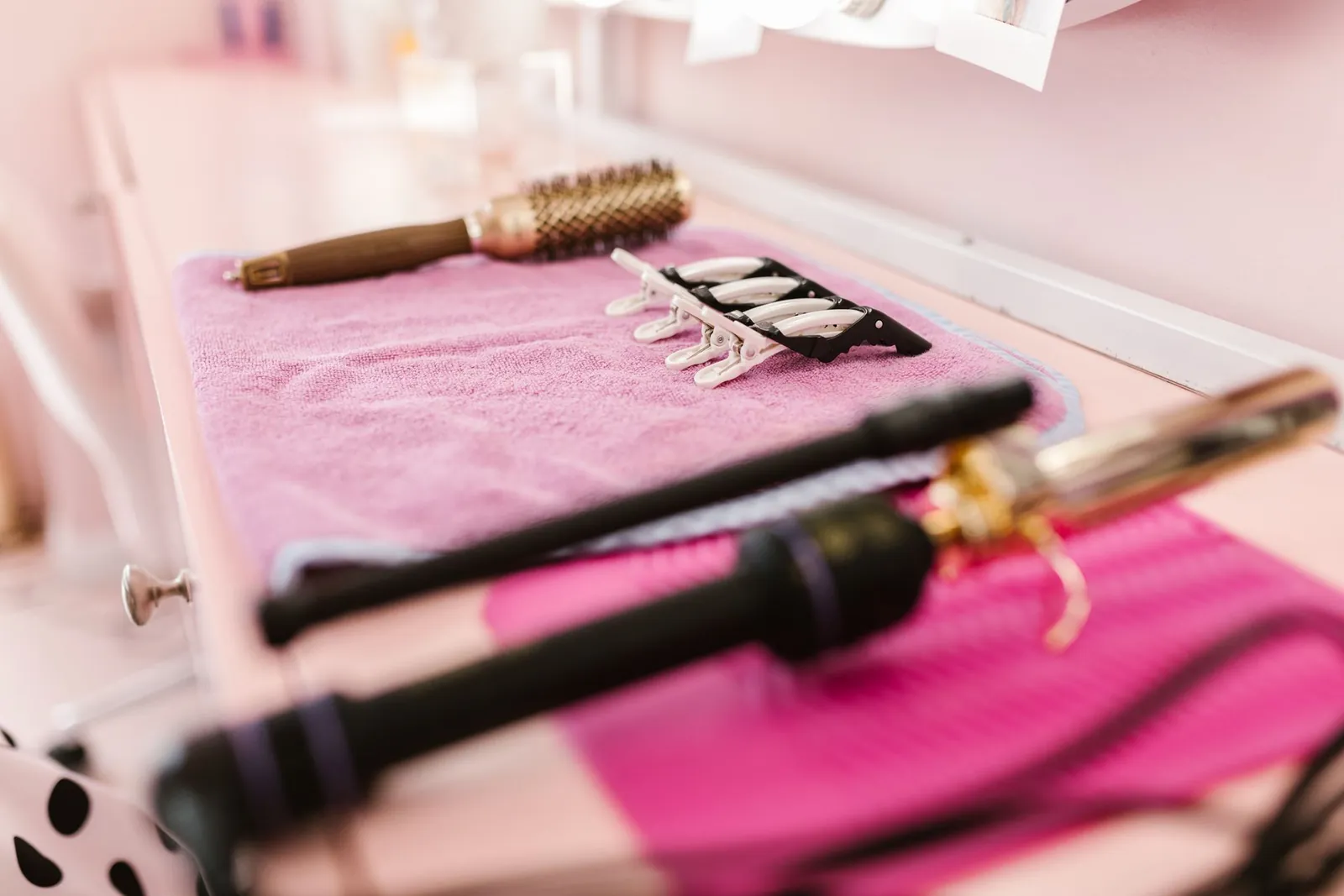
If you manage a care home, you’ll know that hair day can be one of the most popular days of the week. Residents look forward to it, families notice the results, and staff appreciate one less thing to worry about. But choosing who comes in to do it is an important decision. This person will be spending one-to-one time with your residents, often including people who are vulnerable or living with dementia.
As a visiting hairdresser who works only in care homes, I thought it might help to share the questions I’d want answered if I were in your shoes. Use it as a checklist, whoever you choose.
The essentials: safety and paperwork
Start with the basics. These aren’t optional.
- DBS check. Anyone working one-to-one with your residents should have an appropriate, up to date DBS check. Ask to see it.
- Insurance. Public liability insurance and suitable professional cover are a must. Ask for proof.
- Clear contact details. A working phone number and email so you can reach them about bookings, changes or concerns.
- Willingness to follow your policies. Infection control, signing in and out, safeguarding and anything else your home requires.
I’m fully insured and DBS checked, and I’m always happy to share the details with a home before I start.
Experience with care home residents
Hairdressing in a care home is quite different from working in a high street salon. Residents may use wheelchairs, have limited mobility, find it hard to sit still for long, or be living with dementia. Questions worth asking:
- Do they specialise in care home hairdressing, or is it an occasional extra?
- Are they comfortable working with someone in a wheelchair or an armchair?
- How do they wash hair for residents who can’t lean back over a basin?
- How would they handle a resident who becomes upset or says no?
The answer to that last question tells you a lot. You want to hear something like “I’d stop, reassure them and try again later”, never “I’d just get it done quickly”.
Dementia awareness
For many homes, this is the big one. A dementia-friendly hairdresser should be calm, patient and happy to adapt. Look for someone who:
- Introduces themselves and explains each step
- Keeps sessions short where needed
- Respects routines and familiar styles
- Never forces a resident to continue
- Works with your staff to choose the right time for each person
I’ve written a longer guide on this, hairdressing for people living with dementia, which you’re welcome to share with your team or with families.
Services offered
Think about what your residents actually want. Many ladies love a weekly wash and set. Others prefer a blow-dry, a cut, a perm or a touch of colour. Gents may want a regular short back and sides or a quick tidy around the ears and neck. Ask whether the hairdresser covers:
- Cuts and trims for ladies and gents
- Wash and sets, blow-dries and styling
- Perms and colour
- Grooming for gentlemen
I offer all of these, which you can see on my services page. Having one person cover everything keeps things simple for staff and familiar for residents.
Reliability and routine
Residents notice when hair day doesn’t happen. A good visiting hairdresser should turn up when they say they will, keep in touch if anything changes, and be happy to agree a regular day that fits around your home’s routine. Ask:
- How often can they visit, and on which days?
- What happens if they’re ill or on holiday?
- How do they handle last-minute additions to the list?
- How much notice do they need?
How they work with your team
The best arrangements feel like teamwork. Usually that means the home sets aside a space, staff prepare a list of who would like their hair done, and the hairdresser works through it, checking in with staff along the way. Look for someone who:
- Asks staff how residents are before starting
- Is flexible if someone isn’t ready or isn’t up to it today
- Keeps the space tidy and leaves it as they found it
- Communicates clearly about what was done and any concerns spotted
You can read how I usually arrange things on my how visits work page.
Communication with families
Families care a lot about how their loved ones look, especially before visits or special occasions. A good hairdresser will listen to family requests passed on through staff, respect a resident’s long-held style, and be happy to talk things through. If a family wants Mum’s hair done for a birthday tea, it helps to know the hairdresser can work with you to fit it in.
The personal touch
You can tick every box above and still not have the right person. In the end, a lot comes down to manner. Watch how they speak to residents. Are they warm? Do they make eye contact, smile and take their time? Do residents seem relaxed around them?
It’s perfectly reasonable to ask for a trial visit, or to have a member of staff sit in on the first few appointments while everyone gets to know each other.
A quick checklist to keep
- DBS checked
- Insured, with proof
- Specialises in care home residents
- Dementia-friendly approach
- Covers the services your residents want
- Reliable, with a regular day agreed
- Works well with staff
- Kind, calm and patient
Questions to ask at a first meeting
If you’re meeting a hairdresser for the first time, a short, friendly conversation tells you a lot. You might ask how they’d approach a resident who is anxious about having their hair washed, what they’d do if a resident changed their mind halfway through, and how they like to hear about family requests. Listen for answers that put the resident’s comfort first and show a willingness to work with your team rather than around it.
Local matters too
A hairdresser who’s local to your area can usually be more flexible about days and less likely to be held up by long journeys. I’m based in Weston-super-Mare and visit care homes across North Somerset and nearby, including Portishead, Clevedon, Burnham-on-Sea and Cheddar.
If you’d like to know what a typical day looks like, read what to expect when a hairdresser visits a care home.
And if you think I might be a good fit for your residents, I’d love to chat. Visit book a visit to get in touch.
Questions people ask
What checks should a care home hairdresser have?
At the very least, an appropriate DBS check and insurance. Ask to see both before they start working with residents.
Do we need a salon room for a visiting hairdresser?
Not necessarily. A quiet room with a comfortable chair, good light and access to water is usually enough. A dedicated room is lovely if you have one.
Can a visiting hairdresser work with residents in wheelchairs?
Yes. A good care home hairdresser will adapt to wheelchairs and armchairs so residents don't have to move if it's uncomfortable.
Is it OK to ask for a trial visit?
Absolutely. A trial visit is a great way to see how a hairdresser works with your residents and staff before agreeing a regular day.

Maria is the caring, dementia-friendly hairdresser behind Hair by Maria, visiting care homes across Weston-super-Mare, North Somerset and Sedgemoor. Fully insured and DBS checked.
More about Maria