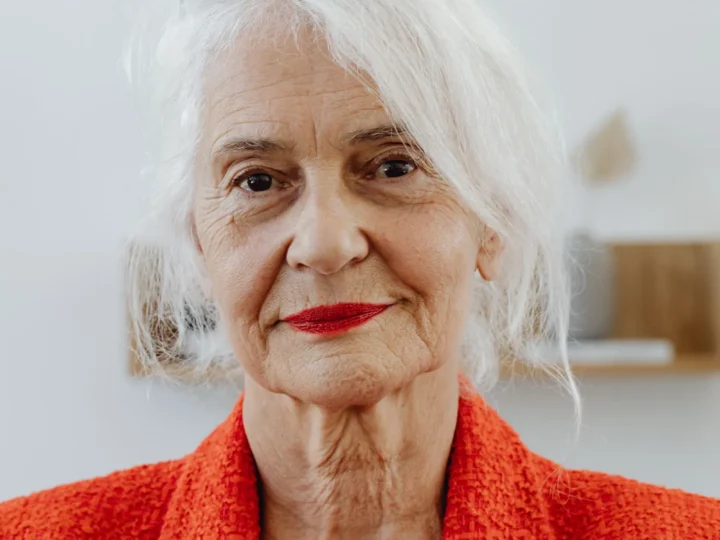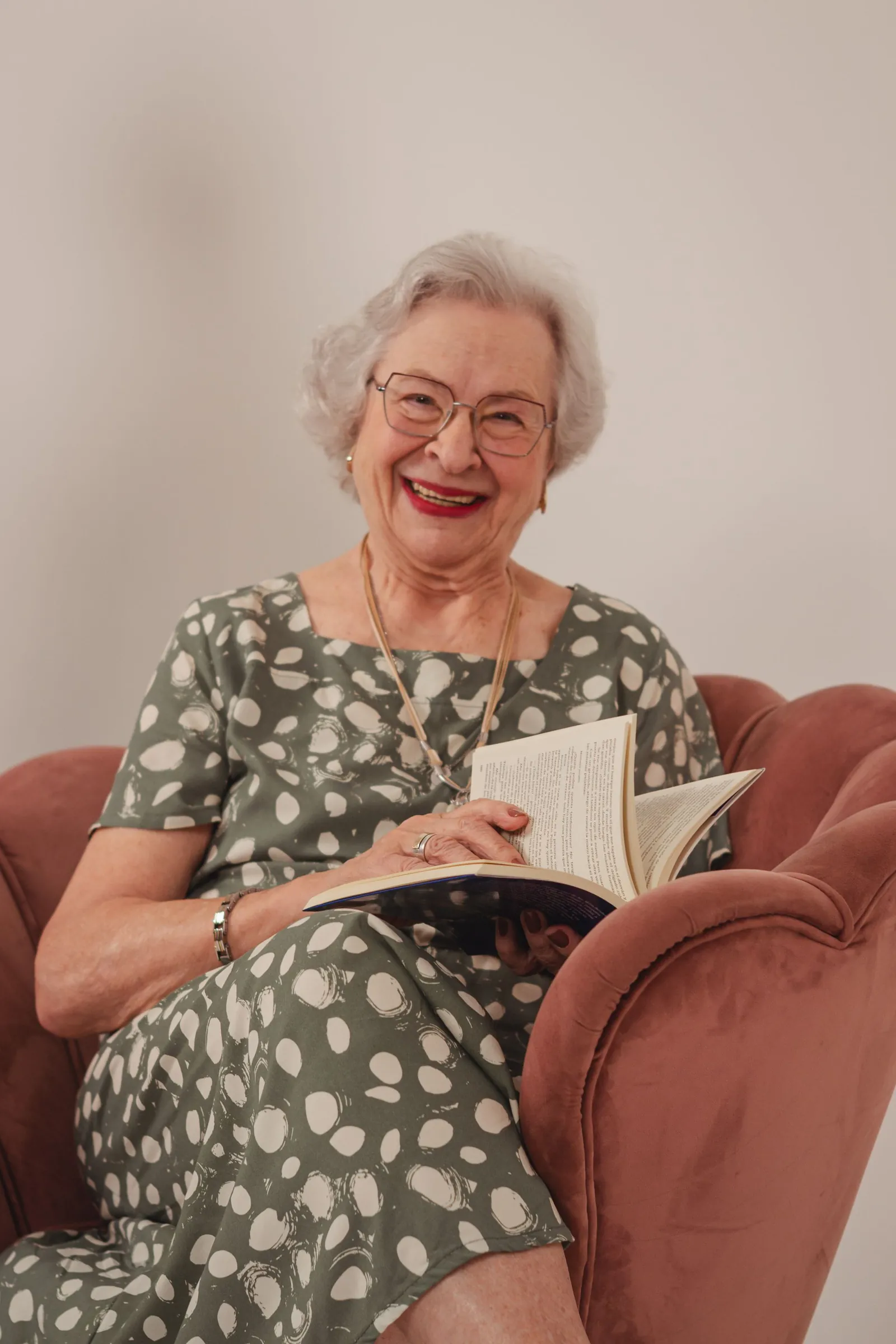
One of the things I hear most in the hairdressing chair is “my hair isn’t what it used to be”. It’s completely normal for hair to change as we get older. It can become finer, softer, drier or thinner, and the colour often changes too. None of that means it can’t look lovely.
In this post I’ll share some of the gentle, practical things I do (and suggest to carers and families) for looking after fine and thinning hair. A quick note first: I’m a hairdresser, not a doctor. If hair loss is sudden, patchy or worrying, it’s always worth speaking to a GP. The NHS has helpful general information on hair loss at nhs.uk.
Be kind when washing
Fine hair can tangle and break more easily, especially when wet. A few small changes to washing make a difference.
- Use lukewarm water rather than hot
- Choose a mild, gentle shampoo
- Massage the scalp softly with fingertips, never nails
- Squeeze the shampoo through the lengths rather than piling hair on top of the head and rubbing
- A light conditioner on the ends can help with tangles; go easy at the roots so hair doesn’t go flat
- Pat dry with a soft towel instead of rubbing
Hair doesn’t need washing every day. For many people, once a week, often at their hair appointment, works well. In between, a gentle brush keeps things fresh.
Brushing without pulling
Brushing is where a lot of breakage happens. My top tips:
- Start at the ends. Hold the hair just above where you’re brushing and work out tangles from the bottom up.
- Use the right tool. A soft bristle brush or wide-toothed comb is much kinder than a fine comb or stiff brush.
- Go slowly. If you meet a knot, ease it apart with your fingers first.
- Be gentle near the hairline. Hair around the face and temples is often the finest of all.
For carers: brushing in front of a mirror where the person can see what’s happening can help them feel more relaxed and involved.
Styles that flatter fine hair
The right cut can make a big difference to how full hair looks. Some general ideas:
Shorter can look fuller
Fine hair that’s left long can look thinner at the ends. A shorter cut, or a soft bob, often gives a fuller look and is easier to manage day to day.
Soft layers
Gentle layering adds movement and lift without taking away too much bulk. I’m careful not to over-thin hair that’s already fine.
A set for volume
This is where the classic wash and set really shines. Rollers lift fine hair at the roots and give it body that lasts for days. If you’re curious, read the wash and set explained.
A soft perm
For some ladies, a gentle perm adds lasting body and makes daily styling much easier. It isn’t right for every head of hair, especially if hair is very fragile, so it’s something I’d talk through carefully first. There’s more in my post on perms for older ladies.
Covering the scalp kindly
Where hair is thinner, the scalp can show through, especially at the parting or crown. A few gentle tricks:
- Moving the parting to a different spot can give a fresh, fuller look
- Styling hair slightly forwards or with soft curls at the crown helps disguise thinner patches
- Avoid scraping hair back tightly into clips or bands, which can pull
- Remember the scalp can be sensitive to sun, so a hat on sunny days in the garden is a good idea
Colour and fine hair
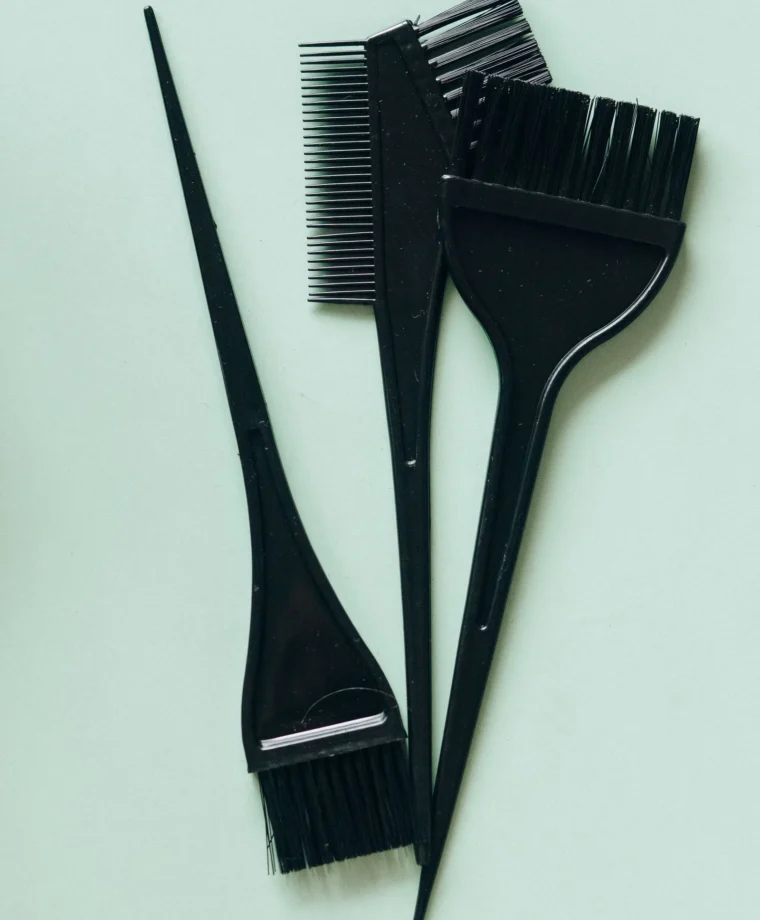
Many ladies love their natural silver or white. Others enjoy a soft colour to warm things up. A slightly softer, warmer shade can help hair look a touch fuller, as there’s less contrast between hair and scalp. If you’re thinking about it, my hair colour page explains what I offer. I’ll always talk through what’s suitable and go gently.
Heat and products
Fine hair doesn’t need much. A light mousse or setting lotion can help with body. Heavy creams and oils can weigh it down. If using a hairdryer, keep it on a cooler setting and keep it moving. Hot tools like straighteners are usually best avoided on fragile hair.
Little everyday habits
- A silky pillowcase can help reduce tangles overnight
- Soft fabric scrunchies are kinder than tight elastic bands
- Regular trims keep ends tidy and stop them looking wispy
- Drinking well and eating well are good for all of us; a carer or GP can advise on anything specific
Talking about it
For some people, thinning hair is a sensitive subject. It can affect how they feel about themselves. I always try to be tactful and positive. I’ll never make someone feel self-conscious, and I’ll focus on what we can do rather than what’s changed. Often a fresh style and a bit of attention is enough to bring a smile.
Good hair changes everything, and good hair comes in every thickness.
What I do at a visit
When I’m looking after fine or thinning hair in a care home, I keep everything gentle. I’ll chat about how the person feels about their hair, look at how it sits naturally and suggest a style that works with it rather than against it. I go lightly with the scissors, avoid heavy products and use soft brushes and wide-toothed combs. If someone is self-conscious, I’ll keep the mirror talk positive and focus on what looks lovely. Small changes, like a softer parting or a little extra lift at the crown, often make the biggest difference.
Gents’ fine hair
Gentlemen experience thinning too, of course. A neat, shorter cut usually looks smartest and is easiest to look after. Keeping the sides and back tidy makes everything look sharper.
Where I can help
I look after fine and thinning hair in care homes across Cheddar, Weston-super-Mare, Clevedon, Portishead, Burnham-on-Sea and nearby villages, with gentle cuts, sets, colour and styling. If you’d like regular visits for a resident or relative, take a look at book a visit and I’ll be happy to help.
Questions people ask
Is it normal for hair to get thinner with age?
Yes, it's common for hair to become finer or thinner as we get older. If hair loss is sudden, patchy or worrying, it's best to speak to a GP.
What is the best hairstyle for fine hair?
Shorter cuts, soft layers and sets often help fine hair look fuller. The best style depends on the person, so I always talk it through first.
How often should fine hair be washed?
It doesn't need washing every day. For many older people, once a week is plenty, with gentle brushing in between.
Can you colour thinning hair?
Often, yes. A soft colour can make hair look a little fuller. I always check what's suitable and go gently.
Maria is the caring, dementia-friendly hairdresser behind Hair by Maria, visiting care homes across Weston-super-Mare, North Somerset and Sedgemoor. Fully insured and DBS checked.
More about Maria